Good-for-You Chili Starts with a Few Simple Swaps
Share
New year, same chili tradition! A few simple ingredient swaps can make your favorite one-pot meal a little lighter, more nutritious, and better suited to your health goals.
There's no need to hang up your cowboy hat or say goodbye to a hearty bowl of chili just because the calendar has turned. Whether you're working toward better heart health, keeping an eye on blood sugar, looking to add more vegetables to your meals, or simply trying to make healthier choices in the kitchen, chili is a mighty good place to start.
One of the best things about chili is how easy it is to customize. It's a one-pot wonder that can be made with all kinds of ingredients, comes together without a whole lot of fuss, and makes great leftovers for busy days ahead. With a few thoughtful swaps, you can keep all the bold, comforting flavor you love while giving your bowl a little nutritional boost.
Here are a few easy ways to lighten things up without sacrificing the good stuff.
1. Trade Ground Beef for Leaner Protein
Ground beef has long been a chili staple, but it's not the only way to get a hearty, satisfying bowl. Try swapping in lean ground turkey or ground chicken instead. Both are generally lower in saturated fat than regular ground beef, especially when you choose lean varieties.
A few other options worth considering:
- Lean ground beef: If you aren't ready to part with tradition, opt for 90% or 93% lean ground beef to reduce saturated fat while keeping that familiar beefy flavor.
- Ground turkey: A mild-flavored alternative that takes on chili seasonings beautifully.
- Ground chicken: Another lean option that works especially well with bold seasonings and a little extra spice.
- Extra beans: Replace some of the meat with additional beans for more plant-based protein and fiber.
The best part? With a good helping of Six Gun Chili Mixin's, you'll still get a big, bold bowl of chili no matter which protein you choose.
2. Sneak in a Few Extra Vegetables
Here's a little cowboy secret: you can pack quite a few vegetables into a pot of chili without changing the flavor much at all. In fact, some vegetables practically disappear into the mix while adding fiber, vitamins, and other nutrients.
Next time you're stirring up a pot, try adding:
- Zucchini: Dice it into small pieces and let it simmer with the rest of your ingredients. Its mild flavor blends right in.
- Bell peppers: A natural fit for chili that adds color, crunch, and vitamin C.
- Carrots: Finely dice or shred them for a touch of natural sweetness and extra fiber.
- Mushrooms: Chop them finely to add a hearty, savory texture without overpowering the other flavors.
- Spinach: Stir in a handful toward the end of cooking. It wilts right into the chili and adds a little extra nutritional goodness.
- Cauliflower: Chop it into small pieces or use riced cauliflower to add bulk without a strong flavor.
You don't have to add every vegetable in the garden, either. Start with one or two favorites, see how your family likes them, and build from there.
3. Give Your Beans a Little More Attention
Beans are already a familiar face in many chili recipes, and for good reason. They're a source of plant-based protein and dietary fiber, both of which can help make meals more satisfying.
If you're looking to get more fiber into your diet, consider adding another can of beans or using a mix of varieties. Black beans, kidney beans, pinto beans, and great northern beans are all fine additions to a pot of chili.
You can also replace some of the meat with beans to create a more plant-forward meal without giving up that hearty chili texture.
A little tip from the chuck wagon: If you're watching sodium intake, look for no-salt-added or lower-sodium canned beans. Just give them a good rinse before adding them to the pot.
4. Be Mindful of What's Going Into the Pot
Sometimes, making a healthier meal isn't about replacing everything. It's about paying a little more attention to the ingredients you're already using.
Here are a few easy adjustments to consider:
- Choose lower-sodium canned tomatoes: Canned tomatoes are a chili essential, but some varieties contain quite a bit of added sodium. Look for no-salt-added options when possible.
- Rethink your broth: If your chili recipe calls for broth, choose a low-sodium variety or use water instead.
- Watch the added sugar: Some chili recipes call for brown sugar or other sweeteners. Try leaving them out or reducing the amount if your recipe allows.
- Go easy on high-fat toppings: Sour cream and generous handfuls of cheese are tasty, but they can add saturated fat and calories. Try plain Greek yogurt, a sprinkle of reduced-fat cheese, fresh cilantro, or diced avocado instead.
Small changes can make a difference, and you don't have to make them all at once.
5. Let Your Seasonings Do the Heavy Lifting
One of the easiest ways to keep lighter chili tasting mighty fine is to make sure it doesn't skimp on flavor.
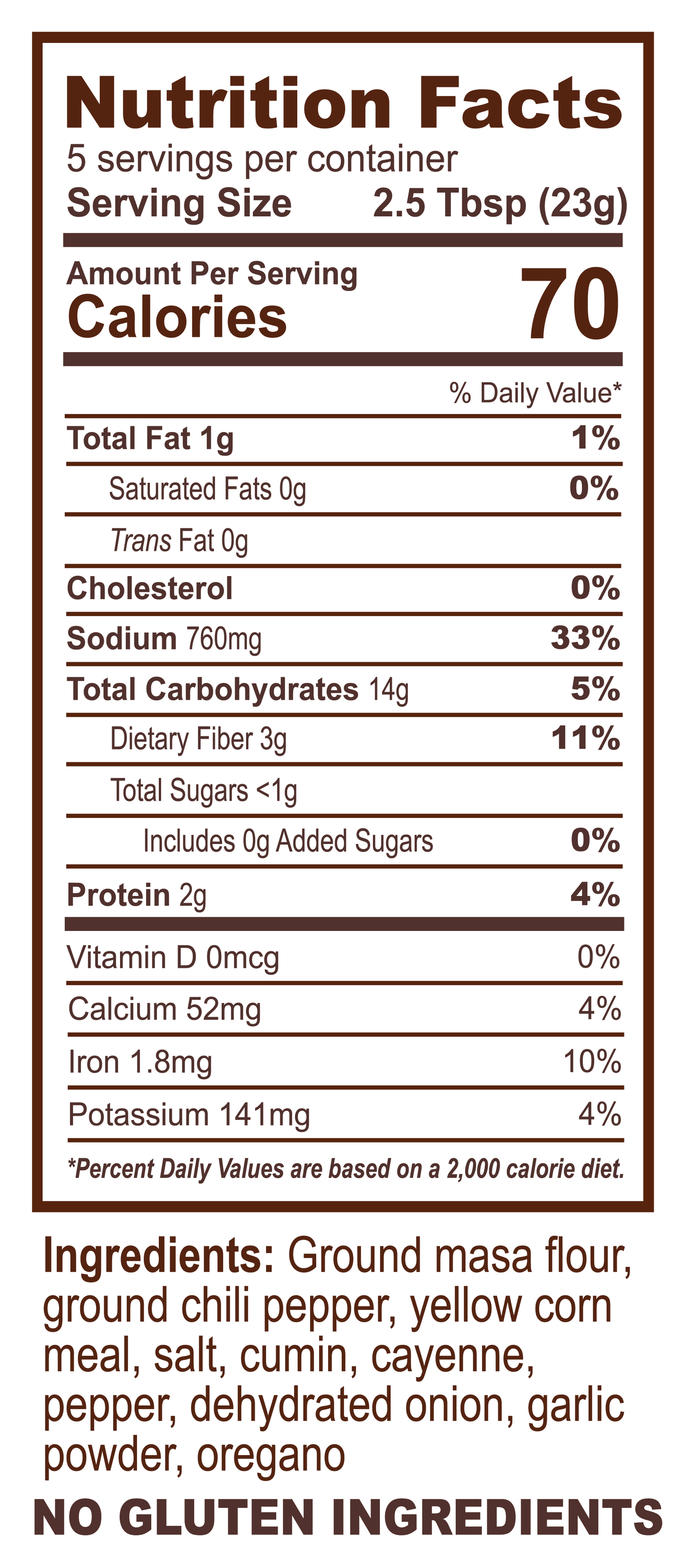
When you're cutting back on certain ingredients, like salt or higher-fat meats, seasonings become even more important. A good blend of spices can bring plenty of flavor to the pot without relying on extra salt, sugar, or rich toppings.
That's where Six Gun Chili Mixin's comes in. Our Original and Chipotle Chili Mixin's bring the bold, traditional chili flavor you've come to know and love, making it easy to build a satisfying pot of chili around the ingredients that work best for you.
And remember, you can always adjust the heat to your liking. Keep things mild with the Original blend or add a little Chipotle kick if you're feeling adventurous!
6. Make a Big Pot and Plan Ahead
Here's another reason chili deserves a spot in your New Year's meal rotation: it's easy to make ahead!
Since chili is a one-pot meal, there's less fuss in the kitchen and fewer dishes to clean up afterward. Make a big batch on Sunday, portion it out, and you've got a few easy lunches or dinners ready for the week.
It's also a great way to use up vegetables sitting in the fridge before your next grocery run. Toss in those extra peppers, carrots, zucchini, or mushrooms, and let everything simmer together.
Just be sure to refrigerate leftovers promptly and enjoy refrigerated chili within 3 to 4 days, or freeze portions for longer storage.
Same Great Chili, A Few Smarter Swaps
A healthier New Year doesn't mean giving up the meals you love. Sometimes, it's as simple as choosing a leaner protein, adding another vegetable, or being a little more mindful of what's going into your favorite recipes.
Whether you're working toward better heart health, managing blood sugar, increasing your fiber intake, or just looking to cook a little more at home, chili makes it easy to put a nourishing, satisfying meal on the table.
So round up your favorite ingredients, grab a bag of Six Gun Chili Mixin's, and get that pot simmering. Here's to a new year filled with good food, good company, and chili worth coming back for!
Born in Texas. Raised on Tradition.